
The Allure of Risk and Reward
The psychology behind why individuals are drawn to casinos largely stems from the allure of risk and the possibility of reward. Gamblers experience a rush of adrenaline when they place their bets, driven by the uncertainty and excitement that accompany each roll of the dice or turn of a card. This thrill is often amplified by the colorful lights, engaging sounds, and the overall atmosphere of anticipation that permeates these environments. As a result, the emotional highs associated with potential winnings can become addictive, fostering a compelling desire to play at a fast withdrawal online casino canada , where the excitement continues to build and rewards are just a gamble away. This is not just a casual interest; it can become a central part of the individual’s identity, where the casino acts as a stage for their aspirations and dreams.
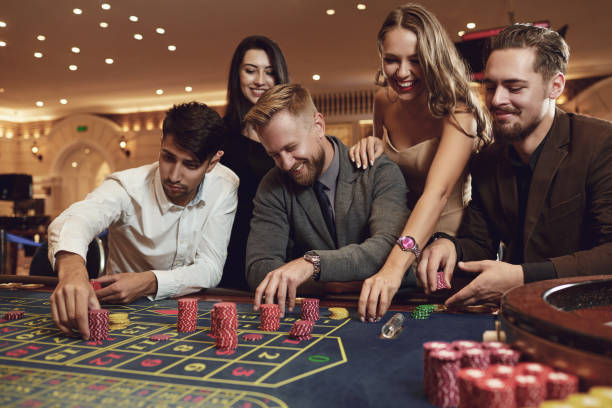
This attraction to risk is not solely about monetary gain; it also taps into the deep-seated human urge to challenge fate and control personal circumstances. Many visitors approach gambling as a form of escapism, where the stakes offer a temporary reprieve from the stresses of daily life. The potential for large payouts provides hope that drives behavior, fostering a belief that luck could change at any moment. This psychological phenomenon is often referred to as “the gambler’s fallacy,” where individuals mistakenly believe they can predict outcomes based on past events, leading them to take greater risks. It is this thrill-seeking behavior that casinos capitalize on, creating experiences designed to keep visitors engaged and entertained.
Moreover, the concept of ‚loss aversion‘ plays a significant role in the psychology of casino visitors. Research shows that the pain associated with losing money is often greater than the pleasure derived from winning the same amount. Therefore, players may continue gambling in hopes of recouping their losses, engaging in a cycle that can lead to compulsive behaviors. This psychological phenomenon explains why many gamblers believe they are ‚due‘ for a win, which further perpetuates their gambling activities and the casino’s business model. In essence, the combination of risk, reward, and emotional highs creates a perfect storm that keeps visitors returning to the gaming floor.
The Social Dimension of Gambling
Casinos are also social environments that foster interaction among visitors, transforming gambling into a communal experience. In such settings, individuals find opportunities to connect with others, share stories, and celebrate victories together, which adds a layer of enjoyment that goes beyond the act of gambling itself. This social dimension can be particularly appealing to those who thrive on group dynamics and the shared excitement of games like poker or blackjack, where player interaction is fundamental to the experience. The meaningful interactions forged in these spaces can lead to lasting friendships and a sense of belonging that many individuals crave.
The presence of friends and strangers alike can intensify the atmosphere within a casino, creating a sense of camaraderie that enhances the overall experience. As people cheer one another on or share strategies, they reinforce their commitment to the activity and to each other. This social engagement can also mask negative emotions and distractions, providing an escape from isolation or loneliness. Thus, many visitors may find themselves returning not just for the gambling but to maintain these social connections, making the casino a hub of social activity and interaction that is hard to replicate in other environments.
Moreover, casinos often host events, tournaments, and promotions that encourage group participation. These communal activities draw in casual visitors and dedicated gamblers alike, allowing them to bond over shared experiences. The social rewards of gambling—such as camaraderie, collective celebration, and the formation of new friendships—play a critical role in attracting visitors and enhancing their overall enjoyment of the casino experience. This highlights the importance of community in the psychology of gambling, which is often overlooked when discussing the motivations behind casino visits. The social aspect intertwines with the individual experience, making every visit unique and memorable.
The Influence of Environment and Design
The layout and design of casinos are meticulously crafted to evoke specific psychological responses. From the moment visitors enter, they are greeted by vibrant colors, alluring sounds, and captivating displays intended to stimulate their senses. The strategic placement of games, lighting, and even the scent of the environment plays a crucial role in sustaining player engagement. For instance, many casinos use bright lights and upbeat music to create a lively ambiance that keeps guests energized and motivated to keep playing, sometimes for hours on end. This carefully curated sensory experience is designed to create a sense of wonder and excitement, drawing visitors deeper into the gambling experience.
Additionally, the absence of clocks and windows in many gambling establishments contributes to a loss of the sense of time, allowing players to immerse themselves in their gaming experiences without the distractions of the outside world. This design choice helps to foster an environment where visitors can easily lose track of time and money spent, leading to prolonged gaming sessions. This phenomenon is often referred to as the „time distortion effect,“ where gamblers become so engrossed in the activity that they disregard external factors, ultimately leading to increased spending. The more time they spend, the more invested they become, both emotionally and financially.
Another psychological aspect is the use of near-miss phenomena, where players experience outcomes that are just shy of winning—such as two matching symbols on a slot machine, followed by a losing symbol. The human brain interprets these near-misses as victories, encouraging continued play because they instill a belief that a win is imminent. This clever manipulation of design and psychology keeps visitors engaged, often leading them to gamble longer than they initially intended. The strategic use of cues that suggest imminent success is a central strategy employed by casinos to maximize player retention and profitability, making the environment both inviting and potentially addictive.
The Role of Marketing and Promotions
Marketing strategies in the casino industry are tailored to appeal to the unique psychological profiles of potential visitors. By understanding the motivations behind gambling behaviors, casinos can craft campaigns that resonate with these desires. The use of enticing promotions, loyalty rewards, and exclusive access events are designed to not only attract new players but to retain existing ones by creating a sense of belonging and value that resonates deeply with emotional and psychological needs. This understanding of consumer psychology allows casinos to create targeted marketing that drives attendance and engagement.
For instance, many casinos offer loyalty programs that reward frequent visitors with perks like cashback, free play, and complimentary dining or accommodations. Such incentives play on the principles of reciprocity and reward, making guests feel valued and more likely to return for future visits. These programs also tap into the concept of commitment; once a visitor invests time and money, they are more likely to continue participating to reap the benefits of their investment. This creates a cycle of engagement that reinforces loyalty and incentivizes further gambling.
Additionally, casinos often employ targeted advertising strategies that leverage psychological triggers such as urgency and exclusivity. Promotions that highlight limited-time offers or exclusive events create a sense of urgency that compels visitors to act quickly—often leading to impulsive decisions. This tactic not only reinforces the emotional highs associated with gambling but also utilizes psychological principles to drive traffic and increase revenue, showcasing the sophisticated interplay between marketing and psychology in the casino industry. The clever integration of these strategies helps to create a compelling narrative that draws visitors into the casino’s narrative.
Understanding Casino Culture Through Online Communities
The rise of online gambling has generated new avenues for understanding the psychology of casino visitors, particularly through online communities and forums where players share their experiences. These platforms allow individuals to engage in discussions about strategies, personal stories, and the emotional ups and downs associated with gambling. By fostering connection and communication, these communities provide valuable insights into the collective psyche of both casual and seasoned gamblers. This digital interaction enables players to relate to one another on a personal level, fostering a sense of camaraderie that transcends individual experiences.
The online space also serves as an important outlet for sharing tales of triumph and loss, effectively humanizing the gambling experience. Participants can discuss the psychological impact of winning large sums of money or coping with losses, thus providing a more holistic view of gambling as a complex emotional journey. By sharing these stories, players create a sense of solidarity and understanding that transcends geographical boundaries, further enriching the global conversation around casino culture. This shared discourse allows for an exchange of strategies and emotional support that can be critical for individuals navigating the highs and lows of gambling.
Furthermore, the evolution of these online platforms has led to a new form of digital gambling culture, where strategy discussions, game analyses, and personal triumphs are shared at an unprecedented scale. This digital exchange allows users to learn from one another and navigate the psychological highs and lows of gambling in a supportive environment. Overall, the analysis of online communities enhances our understanding of the motivations behind casino visits, highlighting the significant role of shared experiences in shaping individual behaviors within the gambling context. The collective knowledge gained from these interactions contributes to a fuller understanding of the complexities of casino culture and the psychology of its visitors.

