

Account security is not just a technical concern when casino and sportsbook activity share one profile. A compromised login can expose personal details, payment information, bonuses and withdrawal requests at the same time. Readers researching casino slotrave should therefore treat verification and access controls as part of the wagering decision, not as paperwork that can be ignored until a payout is requested. A few careful checks before depositing can reduce avoidable delays and make suspicious activity easier to identify.
Begin with accurate account information
Registration generally requires an email address, password, full name, date of birth and residential information. These details should match the information shown on official identification and, where relevant, the name attached to the payment method. A small inconsistency may not always cause an immediate restriction, but it can create questions later when a withdrawal or account change requires manual review.
Use an email account that you control and check regularly. It may be needed for confirmation, password recovery, security notices or support correspondence. Avoid using a temporary address that could expire, or an email account shared with another person. If the casino and sportsbook operate through the same login, protecting that inbox becomes especially important because access to it may allow someone to reset the gambling account.
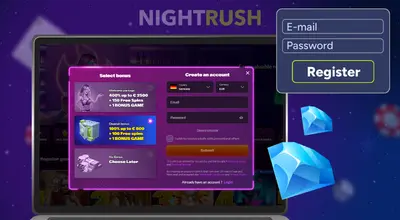
It is also sensible to keep only one personal account unless the operator has expressly confirmed otherwise. Duplicate profiles can be restricted, particularly where they are connected to repeated promotional claims. Do not register on behalf of another person, lend an account to a friend or allow someone else to use your payment credentials. These arrangements make ownership difficult to establish and can complicate both verification and dispute handling.
Build a login that is difficult to reuse
A unique password is one of the simplest protections available. Do not reuse the password from an email account, banking service, social network or another gaming site. If one unrelated service suffers a data breach, reused credentials can be tested automatically against other accounts. A long passphrase made from several unrelated words can be easier to remember than a short, complicated password.
A password manager can create and store a different login for each service. If you prefer to manage passwords manually, avoid saving them in an unprotected document or sending them through chat. Never disclose a password to support staff, even if a message appears urgent. Legitimate support may ask questions to confirm identity, but it should not need the complete secret used to sign in.
Keep the recovery route secure as well. Password-reset links should be opened only after checking the sender and destination, and they should not be forwarded. If a reset email does not appear, check the spam folder before repeatedly requesting new links. When the account is accessed from a shared computer, sign out fully and avoid saving the password in the browser. Device updates, screen locks and reputable security software add further protection.
What should you prepare for identity verification?
Know-your-customer checks are commonly completed before a withdrawal. Typical requests include a passport, driver’s licence or other government photo identification, along with recent proof of address. The operator may also request evidence that a card, e-wallet or crypto account belongs to the registered player. These requirements are not identical for every account, so the stated instructions should be read carefully before documents are submitted.
Documents should be clear, current and consistent with the profile. Do not crop away required information, alter an image or submit a document belonging to somebody else. If a payment card image is requested, follow the operator’s masking instructions rather than exposing unnecessary numbers. For an e-wallet or cryptocurrency transaction, keep the relevant account or transaction evidence available without sharing unrelated private credentials.
Source-of-funds questions may arise in some circumstances, particularly where activity, payment patterns or withdrawal amounts require additional review. That does not necessarily mean an account has been accused of wrongdoing, but incomplete answers can extend the process. Keep copies of submitted documents, note when they were sent and use the official support channel if the status remains unclear. Never send identity documents to an unverified address supplied in a social-media message.
Protect deposits, withdrawals and account changes
Before using a payment method, confirm that it is held in the same name as the account. A mismatch can lead to a request for proof of ownership or prevent a payout from being processed. Avoid depositing through a friend’s card, a shared wallet or an account that cannot provide a clear transaction record. The safest approach is to use a payment method you can document from beginning to end.
Review the cashier and transaction history regularly. Look for unfamiliar deposits, withdrawals, cancelled transactions or changes to the registered payment method. Keep confirmation emails and reference numbers until the transaction is complete. Published requirements can vary by payment route and account currency, so do not rely on assumptions about minimums, processing periods or available methods. Check the current cashier information and the applicable account terms instead.
Account changes deserve the same caution as payments. A request to change personal details, recover access or alter a payout destination may require support involvement. If you suspect unauthorised access, stop using the account, change the password from a trusted device and contact support through the verified site channel. For broader online-safety guidance, consult the Canadian Centre for Cyber Security, which provides general advice on protecting accounts and information.
Check the rules before placing a wager
Security and wagering conditions overlap because bonuses, restricted funds and account verification can affect whether money is available for withdrawal. A promotion may carry its own qualifying deposit, expiry, contribution and maximum-bet conditions. If a bonus is active, read those terms before wagering rather than assuming every game contributes equally or that a promotional balance can be withdrawn immediately.
Do not treat a displayed balance as proof that funds are unrestricted. Deposited money may be subject to turnover requirements, while bonus funds may require separate wagering before a withdrawal can proceed. The exact conditions can depend on the promotion selected, the account configuration and the current terms. If the wording is unclear, ask support for a written explanation and keep the response for your records.
Local access and product availability can also vary by province and account version. The presence of a game, payment option or promotion on one device does not establish that it is available to every Canadian player. Before depositing, confirm the applicable terms, identity requirements, currency, withdrawal conditions and any limits shown for the account. A cautious review is usually faster than resolving a preventable restriction after money has been committed.
Account security questions worth asking
What should I do if I cannot access my account?
Use the password-reset option connected to the registered email address and check the spam folder if the message is delayed. If you suspect unauthorised access, avoid repeated guesses, change the email password first if necessary, and contact official support through the site’s verified channel.
Can verification delay a withdrawal?
Yes. Withdrawals may remain pending while identity, payment ownership or source-of-funds checks are completed. Submit clear documents that match the registered details and respond to requests promptly. Do not open another account to bypass a review, because duplicate profiles can create additional restrictions.
How can I tell whether a security message is genuine?
Check the sender, spelling, web address and request carefully. Be suspicious of messages demanding passwords, one-time codes or urgent payments. Do not use an unexpected link to sign in. Instead, open the official site independently, review account notices there and contact support if the message remains uncertain.
